The dogs of a Kiruna husky tour
The dogs do the work, so it is fair to ask how they live. This page gathers what six tours in Swedish Lapland say about their animals, adds what guests noticed, and lists seven questions you can copy into a message. We have not inspected any kennel.
The lean dog in the harness
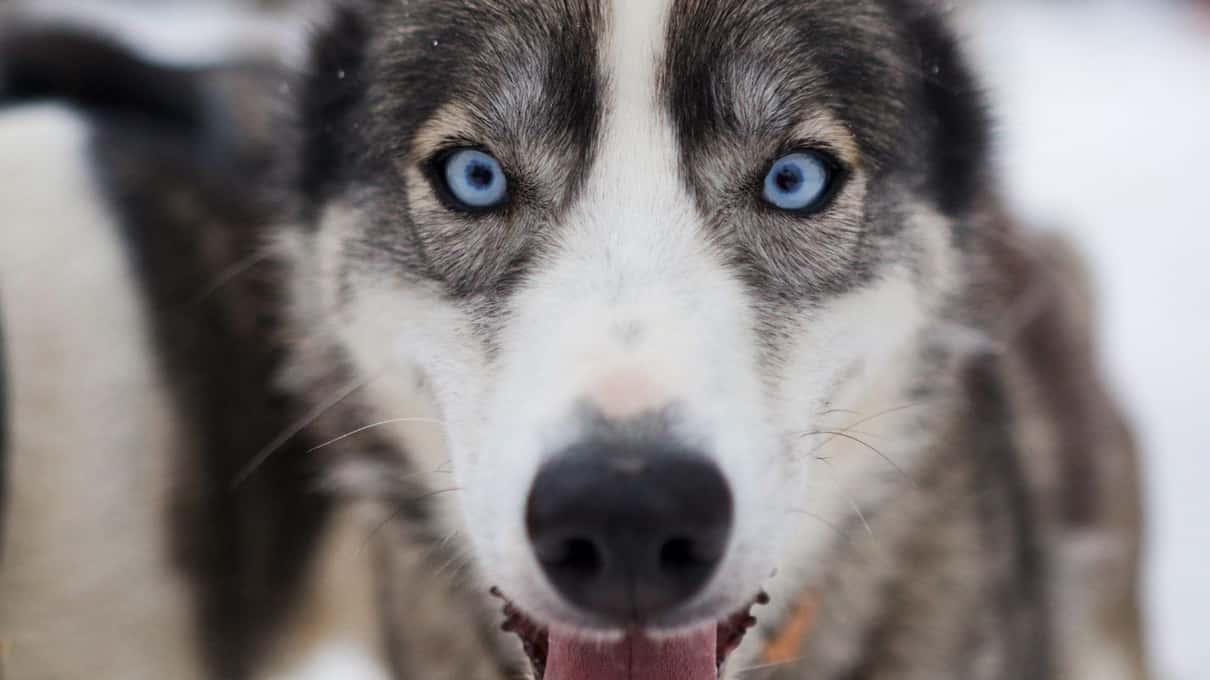
Guests often picture the fluffy Siberian husky from calendars. Around here the usual sled dog is the Alaskan husky, a lean working mix and not a show breed. Expect different coats, ears and eye colors in one team.
That slim build can look odd if your own dog sleeps on a sofa all week. If a dog's condition worries you, say so to the guide on the spot, because a direct question beats a silent doubt on the bus home.
Noise, smell and other surprises
Before the start the dogs bark loudly, and first-timers sometimes take it for distress. Once the sled moves the barking stops and the run goes quiet. Warn small children about that first wall of sound.
Sled dogs also relieve themselves on the run, which one reviewer laughs about. Whoever sits at the front finds out first. If that bothers you, offer the front place to a braver friend.
After that the soundtrack is paws, breath and runners on snow. A stop by a fire on the way gives you another close look, and the people who feed these dogs daily can tell you each name and temper.
Where you get time with them
Contact differs across the Kiruna husky tours we compare, and only some pages spell it out. The bullets hold what a page or a guest mentions, so treat any gap as something to ask about.
- Lapland Sleddog Adventures in Kurravaara: huskies run loose around the yard after the ride, says GetYourGuide
- The morning drive by the company Kiruna Husky: guests usually learn to handle and harness the dogs
- Husky Tours Lapland's morning ride: time to cuddle and take photos, and reviewers helped with feeding
- The evening drive from Kiruna Husky: you help put on harnesses, in the dark
On a sit-down tour the guide drives and you watch the team from behind. On a drive-your-own tour your hands are on the dogs earlier. Our page on driving or riding along weighs up the two.
A small family kennel in Kurravaara
Our pick takes up to 12 guests on a guide-driven ride with a stop in a tipi tent. Its tour page speaks of a "focus on dog welfare", so put your questions straight to the family that runs the kennel.
Three questions about work and weather
1. How is a dog's running day planned?
Ask how many tours one dog pulls in a day, and who decides that it rests. None of our six tour pages gives a figure, so the reply itself tells you something. A clear number is better than a warm phrase.
2. What happens when a dog does not want to run?
A guest of Husky Tours Lapland wrote that an unwilling dog was swapped for another, and that each member of staff there looks after particular dogs of their own. That is one visitor's account. Ask other kennels what they would do.
3. When is it too cold or too warm for the team?
Vildmarksturer's page says the ride becomes a loop in extreme cold, with coffee back at the start point. Husky Tours Lapland runs its fall cart ride only on days cold enough for the dogs. Our page on short snow covers the carts.
Two questions about contact and housing
4. Which dogs may we touch, and at what moment?
Some dogs love strangers and others would like you to keep moving. Let the guide choose which one you greet, especially with a child along. Any animal can bite, so hold back until you are invited.
5. Where do the dogs sleep, and may we see it?
Most visits show you the yard where the teams are harnessed. Ask whether guests may look at the sleeping places too, and how a dog spends its off day. A no can have good reasons, so listen for the explanation.
Two questions about life beyond winter
6. What becomes of a sled dog that retires?
Every working dog slows down at some point, and the plan for that day says a lot about an owner. Good follow-ups are whether old dogs stay with the family and whether guests can meet one.
7. What do the dogs do from May to October?
The sleds rest in the light months while the dogs still need exercise. Wheeled carts come out in fall at one company, as our page on the best time to go explains. Ask how summer is filled at yours.
Reading the replies
Send the list through the message box on the booking site, and pick the two or three questions you care about most. A short, specific answer from a busy kennel deserves more credit than a page of adjectives.
Reviews are the other source. Search them on the tour page for words such as dogs, care or cold, and read the critical ones first. Praise for a friendly guide tells you little about a kennel in the weeks between guests.
We report pages and reviews and cannot vouch for any kennel. If something at a visit looks wrong to you, tell the guide first, then describe it in your review so the next guest can read it.
Check where you will be standing, too. The kennels sit in different villages outside town, which the page on kennels and pickup sorts out, and you may be outdoors longer than the ride alone suggests. Parents should also read our page on children's ages first.
Clothes matter when a happy dog jumps up, so see what the tours lend you before packing anything pale. After that, our husky tour comparison and the cards for sled dog tours near Kiruna show the rest.